
Introduction
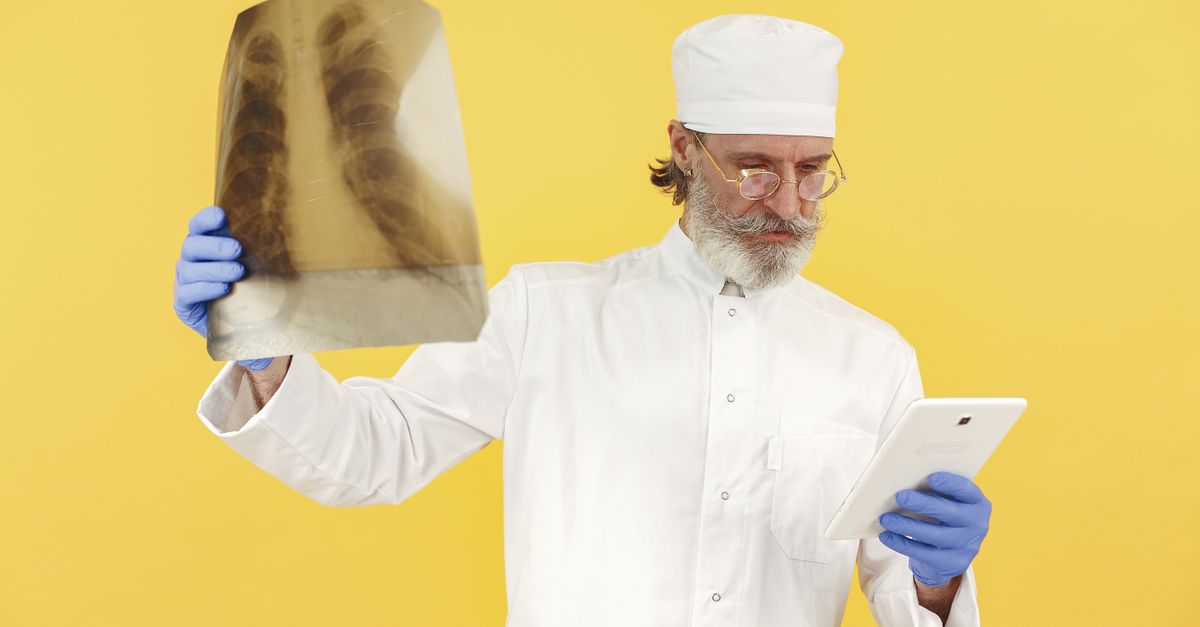
The stark reality of modern healthcare is a tidal wave of data, especially within diagnostic imaging. Every scan, every X-ray, every MRI adds to an ever-growing digital mountain. For far too long, hospitals have grappled with fragmented systems, archaic image management, and the sheer inefficiency of moving critical visual data from one clinician to the next. The consequences aren’t merely administrative headaches; they translate directly into delayed diagnoses, operational bottlenecks, and, ultimately, compromised patient care. This isn’t just about ‘going digital’; it’s about harnessing the power of integrated digital infrastructure to transform how we capture, store, access, and interpret the very images that underpin critical medical decisions.
The Unseen Scars: How Disjointed Imaging Systems Cripple Healthcare
Problem 1: The Labyrinth of Disparate Imaging Data and Siloed Systems
Imagine a scenario where a patient undergoes a CT scan at one facility, an MRI at another, and then seeks a second opinion. Historically, each institution operates within its own digital silo, using proprietary formats or outdated methods for storing images. Retrieving a comprehensive visual history often involves burning CDs, manually uploading files, or, in worst-case scenarios, relying on physical film – an exercise in frustration and delays. This fragmentation means clinicians lack a holistic view of a patient’s imaging journey, leading to redundant tests, increased radiation exposure, and a diagnostic process riddled with inefficiencies. The simple act of comparing a current scan to one from a year ago can become a Herculean task, draining valuable time and resources.
Solution Strategy: Standardized Protocols and Centralized Archiving. The answer lies in enforcing universal communication standards and centralizing image archives. This isn’t a utopian vision; it’s a pragmatic necessity. By adopting industry-wide standards like DICOM (Digital Imaging and Communications in Medicine), every imaging device, regardless of manufacturer, speaks the same language. This uniformity enables a Picture Archiving and Communication System (PACS) to act as a single, centralized repository for all diagnostic images. Think of it as a universal translator and a massive, intelligently organized digital library where every image is stored in a consistent, retrievable format. This foundational shift eliminates proprietary roadblocks and establishes a unified ecosystem for all visual diagnostic data.
Benefit: Enhanced Data Accessibility and Collaborative Care. With standardized protocols and centralized archiving, diagnostic images become instantly accessible to authorized personnel across departments, facilities, or even geographically dispersed care teams. A radiologist can seamlessly pull up a patient’s entire imaging history, from a decade-old chest X-ray to yesterday’s ultrasound, all within seconds. This dramatically improves diagnostic accuracy, reduces the need for repeat scans, and fosters truly collaborative care, allowing specialists from different fields to review images concurrently and contribute to a more comprehensive treatment plan. The patient benefits from faster, more precise diagnoses and a streamlined care journey.
Problem 2: The Bottleneck of Inefficient Image Retrieval and Management
The sheer volume of diagnostic images generated daily is staggering. Without efficient management, finding a specific image within a vast archive can be like searching for a needle in a haystack – except the needle is critical for a life-saving decision. Manual indexing, slow network transfers, and cumbersome search functions plague many legacy systems. Clinicians spend an inordinate amount of time navigating complex interfaces or waiting for images to load, time that could be better spent analyzing results or interacting with patients. This operational drag isn’t just an annoyance; it directly impacts patient throughput and the overall productivity of radiology departments, contributing to clinician burnout and delaying critical care pathways.
Solution Strategy: Automated Archiving and Intelligent Indexing via PACS. Modern PACS platforms are designed to address this challenge head-on. They go beyond mere storage; they automate the entire lifecycle of an image, from acquisition to archiving. When an image is captured, it’s automatically routed to the PACS, where it’s intelligently indexed with patient demographics, study information, and other metadata. Advanced search functionalities, often powered by AI, allow for rapid retrieval based on various parameters. Furthermore, these systems optimize network performance for rapid image loading and provide intuitive user interfaces tailored to the needs of radiologists and referring physicians. The goal is to make image access as frictionless as possible.
Benefit: Streamlined Workflow and Faster Diagnoses. The immediate impact of automated archiving and intelligent indexing is a dramatically streamlined workflow. Radiologists can focus on interpretation rather than administrative tasks. Referring physicians can quickly access images for patient consultations, leading to more informed discussions and quicker decisions. This efficiency translates into faster diagnostic turnaround times, allowing patients to begin treatment sooner. Consider how your own billing department would operate if every invoice had to be manually filed and retrieved. The principle is identical: automated, intelligent systems cut through complexity, enhance operational efficiency, and ultimately accelerate the pace of quality care delivery.
Problem 3: The Minefield of Security Concerns and Compliance Burdens
Diagnostic images contain highly sensitive patient data. The thought of this information falling into the wrong hands is a nightmare for both patients and healthcare providers. Compliance with stringent regulations like HIPAA is not optional; it’s a legal and ethical imperative. Legacy systems often lack the robust security features, audit trails, and access controls necessary to meet these demands, leaving hospitals vulnerable to data breaches and hefty penalties. Managing user permissions, tracking access, and ensuring data integrity across multiple, disconnected systems is a monumental and often impossible task, exposing institutions to significant risk.
Solution Strategy: Robust Encryption and Access Controls within DICOM/PACS. A comprehensive imaging strategy, built around DICOM standards and modern PACS, incorporates security from the ground up. DICOM itself supports secure communication protocols, and advanced PACS platforms implement multi-layered security measures. This includes end-to-end encryption for images in transit and at rest, granular access controls that limit who can view specific studies based on their role and need, and comprehensive audit trails that log every interaction with an image. These systems are designed to be fully compliant with global healthcare data privacy regulations, providing a fortified environment for sensitive patient information.
Benefit: Regulatory Adherence and Patient Trust. By embedding robust security features into the core imaging infrastructure, hospitals can achieve and maintain regulatory compliance with greater ease. This protects the institution from legal and financial repercussions but, more importantly, safeguards patient privacy. When patients know their most personal health information is secure, it builds trust in the healthcare system. This trust is an invaluable asset, fostering open communication and encouraging patient engagement in their care. A secure, compliant imaging system is not just a technological advantage; it’s a fundamental ethical commitment to patient welfare.
The Bridge to Solution
While the strategic benefits of standardized imaging protocols and centralized systems are undeniable, moving from concept to concrete implementation is where the real challenge lies. Hospitals aren’t just looking for theoretical advantages; they need practical, integrated software solutions that can seamlessly connect the dots, manage the complexities of diverse imaging modalities, and provide a unified operational backbone. The talk of DICOM standards and PACS integration sounds great on paper, but how does an actual HMIS platform deliver on these promises in the day-to-day chaos of a busy hospital? This is where a truly comprehensive platform becomes indispensable, translating high-level strategies into tangible, functional modules that empower caregivers and protect patients.
eghealth as the Practical Example
This level of sophisticated imaging management is precisely where platforms like the eghealth HMIS distinguish themselves. A deep dive into its capabilities reveals a powerful commitment to modern diagnostic imaging. The eghealth platform is explicitly **DICOM 3.0 Compliant**, ensuring that all imaging data, regardless of its source, adheres to the global standard for medical image communication. This compliance is foundational, guaranteeing interoperability and data integrity across diverse imaging equipment.
Central to its imaging prowess is a dedicated **Picture Archiving & Communications System (PACS)** module. This isn’t just a basic storage solution; it’s a comprehensive system designed to revolutionize radiology workflows. The eghealth PACS stores images in this standardized DICOM format, which means seamless compatibility across different systems within and outside the hospital. Imagine radiologists and physicians accessing high-resolution images from remote locations, enabling consultations and diagnoses without being physically present – eghealth makes this a reality, fostering collaboration and breaking down geographical barriers to care.
Furthermore, the eghealth PACS integrates smoothly with other critical healthcare systems, such as Electronic Health Records (EHR) and Radiology Information Systems (RIS), creating a truly seamless flow of data. This integration dramatically reduces the time clinicians and radiologists spend searching for and managing physical images, streamlining their workflow and allowing them to focus on what matters most: patient care. The platform’s commitment to security is evident, as its PACS ensures sensitive patient data is encrypted and managed with robust access controls, ensuring compliance with critical healthcare regulations like HIPAA. This commitment to security provides peace of mind and builds patient trust.
The benefits extend beyond mere data management. Rapid image access, a hallmark of the eghealth system, enables quicker diagnoses and treatment decisions, directly impacting patient outcomes. Moreover, by digitizing and centralizing imaging, the platform significantly reduces costs associated with traditional film processing, storage, and the manual handling of images. All these functionalities are expertly managed through a dedicated **Radiology Management** module, which likely orchestrates the entire imaging workflow, from order to reporting, ensuring efficiency and accuracy at every step.
Conclusion
The future of healthcare hinges on our ability to manage and leverage vast amounts of information efficiently and securely. For diagnostic imaging, this future is already here, driven by the powerful synergy of DICOM standards and advanced PACS integration. Hospitals that embrace these technologies aren’t just adopting new software; they are fundamentally reshaping their operational DNA, moving from reactive, fragmented processes to proactive, integrated ecosystems. The transition from physical film to a seamlessly connected digital imaging environment is not merely an upgrade; it’s a strategic imperative. Those who lead this charge will be the institutions that offer superior care, achieve unmatched operational efficiency, and ultimately, restore the human element at the heart of healthcare delivery, ensuring every patient receives the precise, timely attention they deserve.